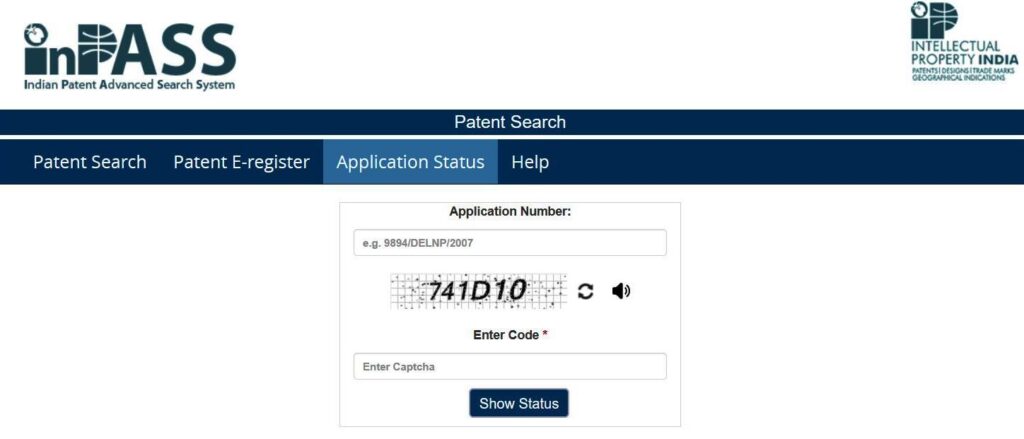
Patent publication is the process through which a filed patent application is officially disclosed to the public by a patent authority. In India, this function is managed by the Indian Patent Office.
Once published, your invention becomes visible in public databases, allowing researchers, industries, and competitors to access its technical details.
The standard rule is simple:
A patent application is published after 18 months from the date of filing or priority.
There is also an option for early publication, which can significantly reduce this waiting period.
Why Patent Publication is Important
Patent publication plays a crucial role in both academic and industrial ecosystems. It is not just a procedural step. It carries strategic, legal, and professional value.
1. Establishes Public Ownership
Your invention is formally associated with your name or institution, reducing the risk of duplication.
2. Enhances Academic Visibility
For faculty members and researchers, a published patent acts as a high-value intellectual output alongside journal publications.
3. Creates Legal Standing
After publication, you gain provisional rights. This means you can claim damages for infringement once the patent is granted.
4. Attracts Industry Collaboration
Organizations actively monitor patent databases to identify emerging innovations.
Patent Publication Process in India
Understanding the process helps in planning your research and filing strategy effectively.
Step 1: Patent Filing
Submit your application with complete specifications to the Indian Patent Office.
Step 2: Waiting Period or Early Publication Request
- Default: 18-month confidentiality period
- Optional: File for early publication (Form 9)
Step 3: Publication in Patent Journal
Your application is published in the official journal.
Step 4: Public Accessibility
The invention becomes searchable via Intellectual Property India.
Types of Patent Publication
Patent applicants can choose between two main routes:
1. Normal Publication
- Happens automatically after 18 months
- No additional request required
2. Early Publication
- Requested through Form 9
- Publication typically within one month
- Useful for time-sensitive innovations
Choosing between these depends on your strategic priorities, especially if you are working in competitive domains.
Key Elements Published in a Patent
When your patent is published, the following information becomes public:
- Title of the invention
- Name of applicant(s) and inventor(s)
- Abstract of the invention
- Detailed technical description
- Drawings and diagrams (if applicable)
- Filing and priority dates
This highlights why careful drafting is essential. The published document represents your innovation globally.
Benefits of Patent Publication for Academicians
Patent publication is increasingly relevant across disciplines, not just engineering or technology.
- Supports NAAC and NIRF metrics related to innovation
- Enhances research funding proposals
- Builds industry-academia collaboration opportunities
- Strengthens consulting and advisory roles
- Encourages interdisciplinary research commercialization
Even in social sciences, innovations related to systems, methods, and models may qualify for patenting when structured appropriately.